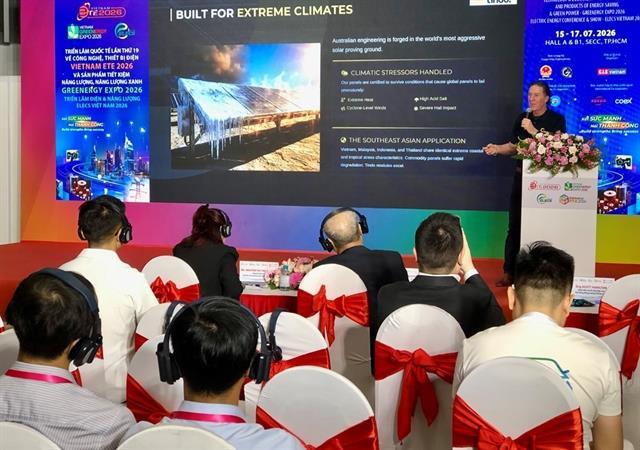
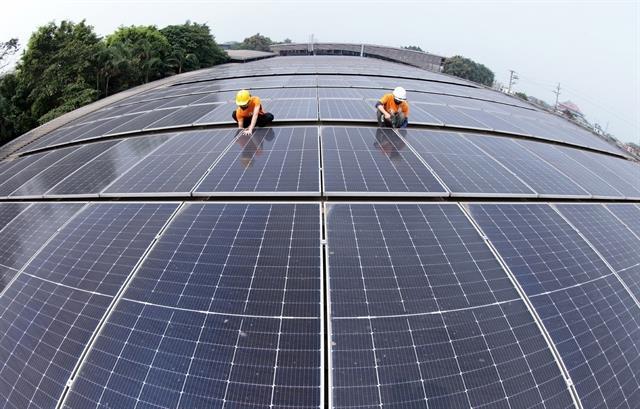
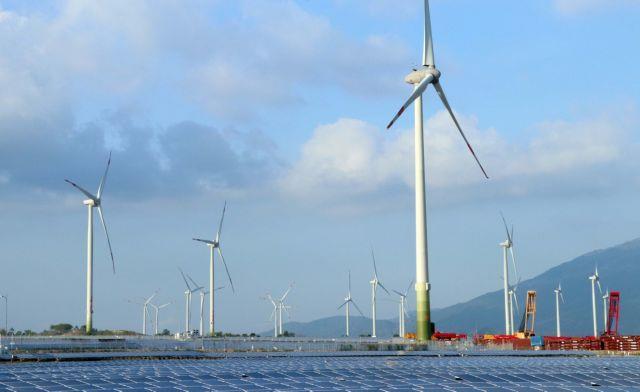

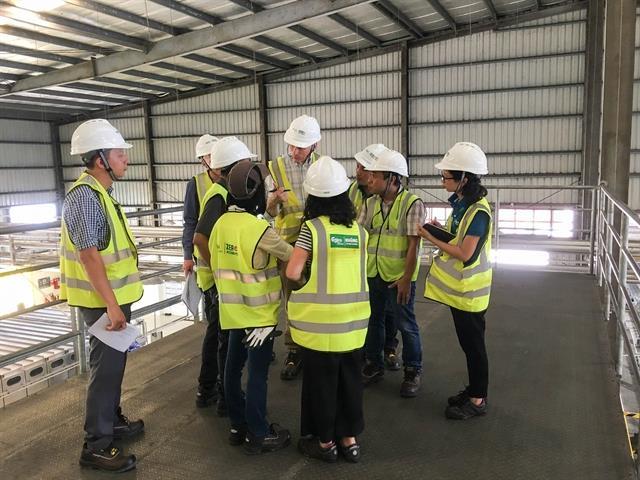
Achieving greater energy independence is becoming increasingly important for Vietnamese businesses as electrification, digital transformation and the global transition towards low-carbon development reshape manufacturing, supply chains and international trade.
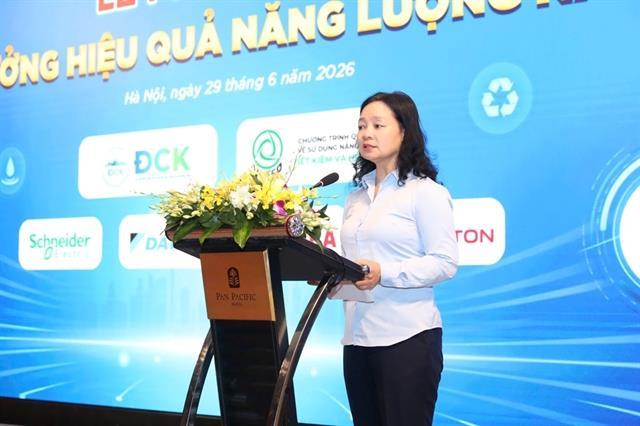
The event was held as part of the Vietnam Energy Efficiency Community under the National Programme on Energy Efficiency and Conservation for 2019–2030 (VNEEP3).
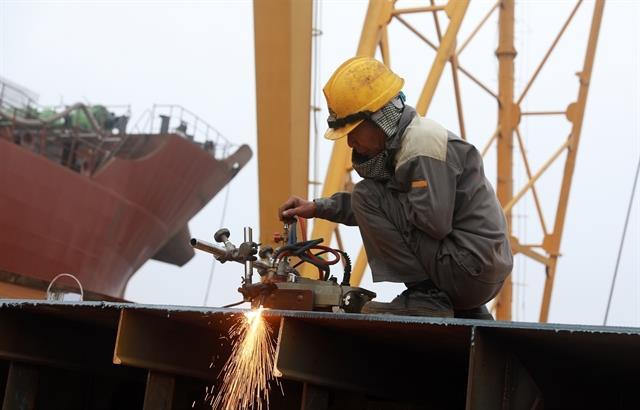
A new wave of global demand for greener vessels and mounting pressure to diversify supply chains is offering Việt Nam a rare opportunity for the country to revive and expand its shipbuilding industry after more than a decade of restructuring.
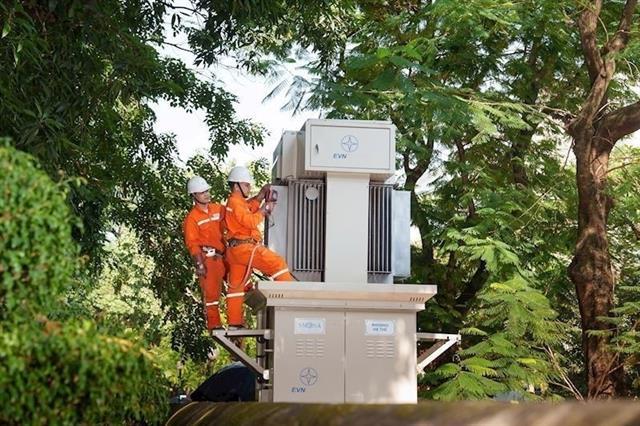
Experts said the challenge of ensuring sufficient electricity supply is becoming more complex as Việt Nam pursues ambitious economic growth targets while grappling with geopolitical uncertainties, climate change and growing pressure to reduce carbon emissions.
NSMO urged stronger efforts to promote energy-saving and more efficient electricity use, particularly as the 2026 dry season peak is expected from late April through August.
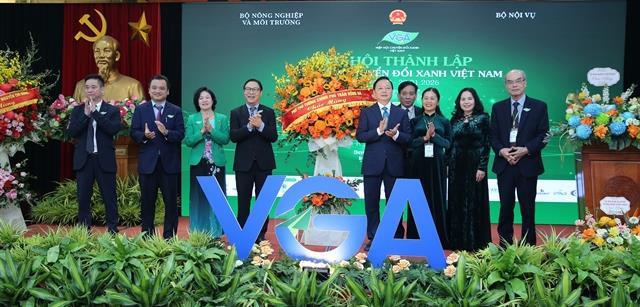
Vietnam Green Transition Association (VGA) makes its debut on Wednesday as a new industry body aimed at accelerating business participation in green transition and green economy as Việt Nam moves to translate sustainability commitments into concrete action.
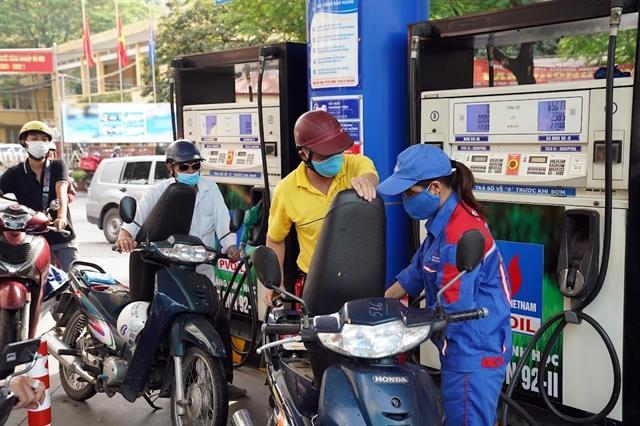
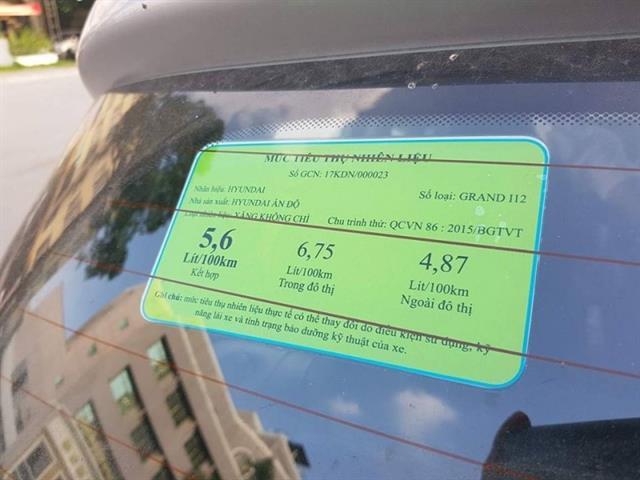
Passenger cars and two-wheeled motorcycles and mopeds are required to display energy efficiency labels starting from January 1, according to a new circular recently issued by the Ministry of Construction.
Under the dispatch, the Prime Minister ordered that each authority must settle issues within its jurisdiction, and hold accountable for the accuracy and timeliness of its report.
The Energy Efficiency and Sustainable Development Department and the Dutch Sustainable Trade Initiative (IDH) signed a MOU to support the sustainable development of the textile and footwear industry in Việt Nam.
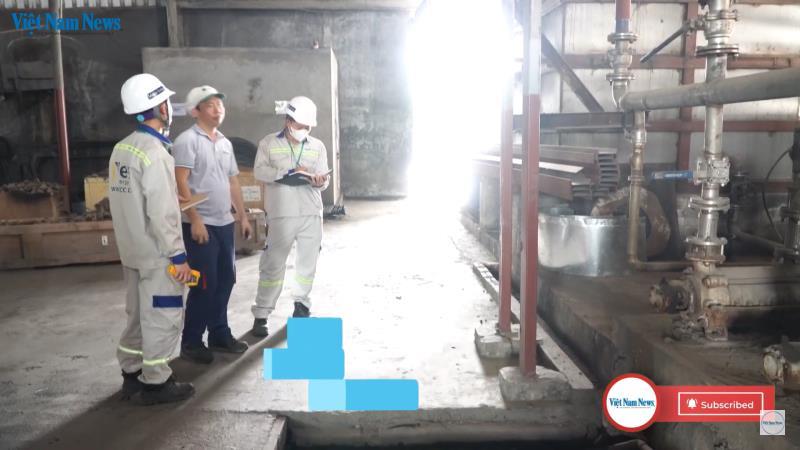
Energy efficiency not only optimises a business'' operations but is also critical to green growth. However, there is still a lot of work to be done by all stakeholders to support them in transitioning to new, energy-saving technology.
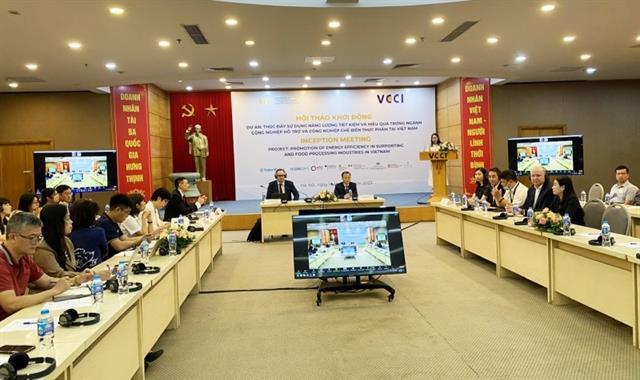
A project to promote the economical and efficient use of energy in supporting and food processing industries in Việt Nam was launched in Hà Nội on August 18.
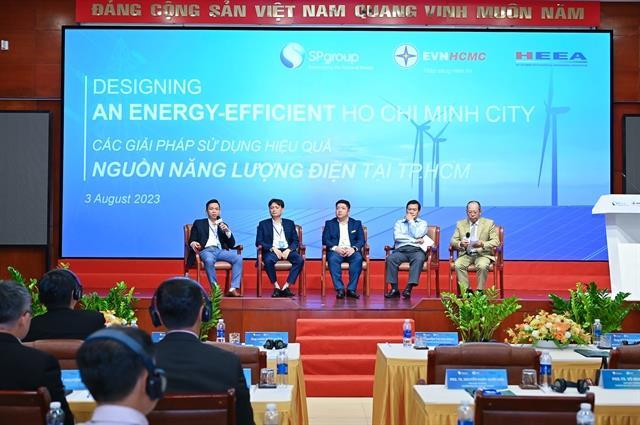
Investment and development of distributed rooftop, utility-scale solar projects and integrated energy solutions are among the methods driving HCM City’s energy efficiency and clean energy transition, a seminar titled “Designing an Energy-Efficient HCM City” heard on Thursday.
The Vietnamese Ministry of Industry and Trade (MoIT) has issued the Guidelines for Developing Provincial Action Plan on Energy Efficiency for the 2020-25 period.
The Viet Nam Energy Outlook Report 2019 revealed enhanced energy efficiency and development of renewable energy at the highest level can reduce carbon dioxide greatly and decrease air pollution and dependency on fuel imports.